


Hey there! Ever had one of those nights where you’re just staring at the ceiling, your brain running a marathon of random thoughts? Or maybe you’ve felt that tight knot in your chest when anxiety creeps in. Yeah, I’ve been there too—it’s rough. But here’s a little secret that’s helped me out: meditation for sleep and anxiety. Before you roll your eyes and think, ‘Oh great, another wellness fad,’ hear me out. Meditation for sleep and anxiety isn’t about sitting cross-legged for hours or chanting in a temple. It’s just about giving your mind a moment to breathe, kinda like hitting the pause button on life’s chaos. In this guide, I’m gonna walk you through how meditation for sleep and anxiety can help you sleep like a baby and calm those anxious vibes, with some easy tips, a bit of science, and maybe a laugh or two. Ready to give it a shot? Let’s dive in!

What’s Meditation for Sleep and Anxiety All About? (And Why You Should Care)
So, what’s the deal with meditation for sleep and anxiety? Picture your brain as a phone with a million apps open, all buzzing with notifications. Meditation for sleep and anxiety is like closing those apps one by one, so you can actually focus. It’s not about making your mind go blank—that’s pretty much impossible, trust me. Instead, it’s about noticing your thoughts without letting them drag you into a spiral.
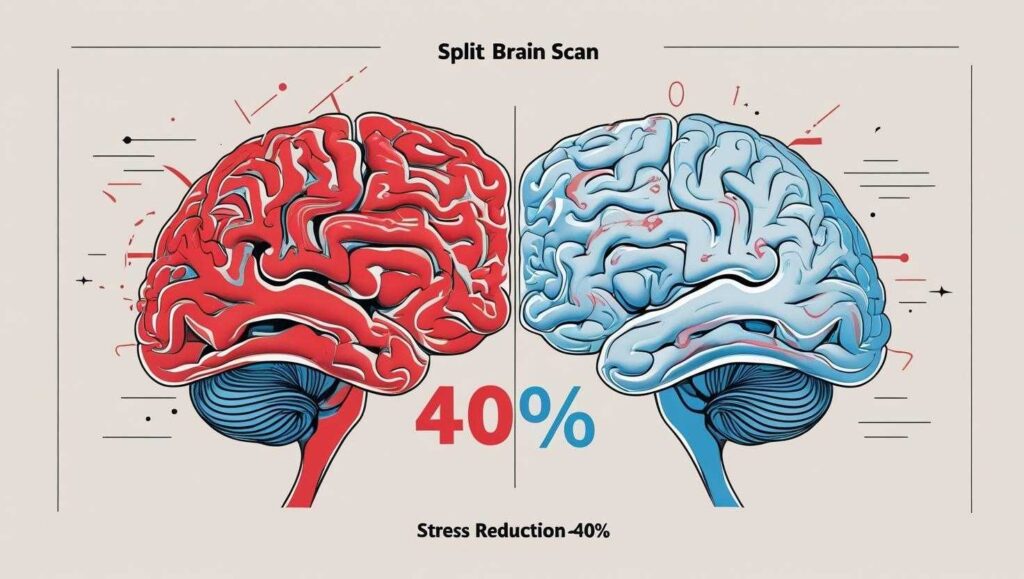
For sleep, meditation for sleep and anxiety slows your breathing and relaxes your muscles, making it easier to drift off. A study from JAMA Internal Medicine found that mindfulness meditation helped folks with insomnia sleep better and feel less tired. For anxiety, it’s like a mental reset button, keeping you in the moment instead of worrying about what’s next. Harvard researchers say meditation for sleep and anxiety can even change how your brain handles stress. Pretty cool, right?
As meditation teacher Sharon Salzberg puts it, “Meditation for sleep and anxiety is not about making your mind quiet. It’s about finding the quiet that’s already there, buried under all those thoughts.” So, if your mind wanders, don’t sweat it—it’s part of the process.
My Two Cents: When I first tried meditation for sleep and anxiety, I was like, “This is dumb—I’m just sitting here breathing.” But after a few tries, I noticed I was falling asleep faster and not waking up in a panic. It’s like my brain finally learned to chill.
The Best Ways to Meditate Your Way to Dreamland
Not all meditation for sleep and anxiety is the same, especially when you’re trying to catch some ZZZs. Here are three meditation for sleep and anxiety techniques that can help you snooze:
Guided Meditation for Sleep and Anxiety
This is like having a friend talk you into relaxation. You listen to a soothing voice guiding you through a calming scene – perfect if your brain’s always jumping between thoughts. Look for sleep-focused meditation for sleep and anxiety sessions with gentle nature sounds.
Body Scan Meditation for Sleep and Anxiety
This one’s like a mental massage. You focus from toes to head, noticing tension. It’s awesome for meditation for sleep and anxiety because it releases that clenched jaw you didn’t realize you had.
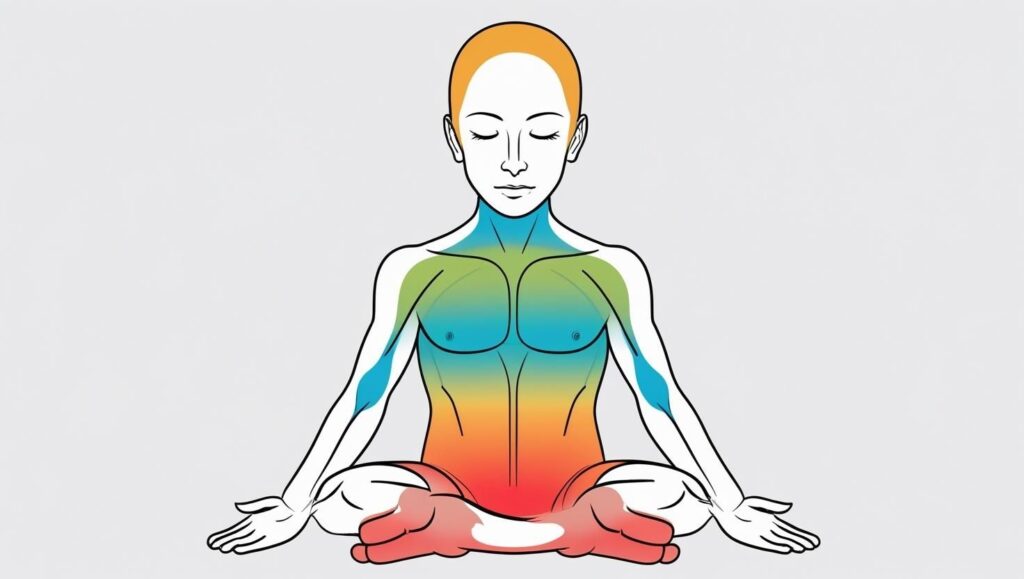
Mindfulness Meditation for Sleep and Anxiety
This keeps you in the moment. Focus on your breath – when your mind wanders to tomorrow’s to-do list, gently bring it back. The simplest meditation for sleep and anxiety for quieting a busy brain.
Been There: When your brain replays awkward moments, meditation for sleep and anxiety is like saying, “Not now, let’s just breathe.”
How Meditation Kicks Anxiety to the Curb
Anxiety’s like that annoying friend who keeps texting you at 2 a.m. with drama. Meditation for sleep and anxiety helps you put that friend on mute. It flips your body into “rest and digest” mode, calming those stress hormones that make your heart race. By focusing on your breath during meditation for sleep and anxiety, you stay grounded instead of getting lost in “what ifs.”
The science backs this up. A 2022 study in JAMA Psychiatry found that eight weeks of meditation for sleep and anxiety was as effective as the anti-anxiety drug Lexapro for some people. Another Harvard study showed meditation for sleep and anxiety can actually rewire your brain to handle stress better. Jon Kabat-Zinn, who created Mindfulness-Based Stress Reduction, says, “Meditation for sleep and anxiety is about paying attention with openness, without judgment.” That non-judgmental vibe is key to breaking the anxiety cycle.
Real Talk: I know anxiety can feel like a cloud that won’t go away. But even a few minutes of meditation for sleep and anxiety can start to clear that cloud, bit by bit.
Meditation vs. Medication: What’s the Difference?
You might be wondering, “Can meditation replace my pills?” Here’s the lowdown:
- Meditation: Great for mild to moderate anxiety or sleep issues. It’s free, natural, and has no side effects. Plus, it’s like building a muscle—the more you do it, the better it works.
- Medication: For serious anxiety or chronic insomnia, meds prescribed by a doctor might be necessary (just like how Liposuction vs Healthy Diet compares quick fixes to long-term solutions). Meditation can still help, but it’s not always a full substitute.
If you’re dealing with heavy stuff, talk to a doctor or therapist. Meditation’s like your trusty sidekick, not the whole superhero team.
Best Meditation Apps to Get You Started
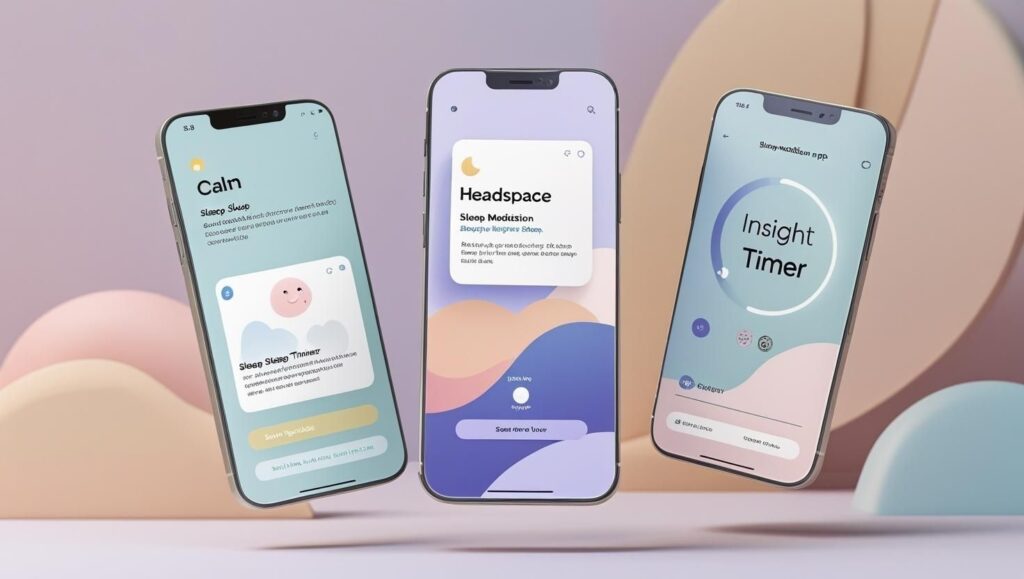
Starting meditation can feel like learning to juggle—tricky at first, but apps make it way easier. They’re like having a zen coach in your pocket. Here’s a rundown of some top picks for sleep and anxiety:
| App Name | Perfect For | Cool Features | Cost |
|---|---|---|---|
| Calm | Sleep & Relaxation | Sleep Stories, Guided Meditations | $70/year |
| Headspace | Beginners & Stress | Short Sessions, Fun Animations | $69.99/year |
| Insight Timer | Variety & Budget | Free, Tons of Meditations | Free |
| Balance | Busy Folks | Short, Daily Mindfulness | $59.99/year |
- Calm: Famous for Sleep Stories narrated by celebs like Cillian Murphy. It’s like being tucked in by a movie star. Also has guided meditations and relaxing music.
- Headspace: Super beginner-friendly with short, fun sessions. Great for stress relief and building a daily habit.
- Insight Timer: Free and packed with thousands of meditations, from quick 5-minute sessions to deep sleep tracks. It’s like a buffet of calm.
- Balance: Perfect for busy schedules, with short daily meditations tailored to your mood.
My Pick: I’m a big fan of Calm’s Sleep Stories—they’re so soothing, I’m out like a light. But if you’re on a budget, Insight Timer’s free library is hard to beat.
How Long Should You Meditate?
Good news: you don’t need to be a meditation pro to see results. Even 5-10 minutes a day can make a difference. It’s like brushing your teeth—consistency is more important than doing it for hours.
- Newbies: Start with 5 minutes. Use a timer or an app to keep it simple.
- Getting the Hang of It: Try 10-15 minutes once you’re comfy.
- Loving It: If you’re hooked, go for 20-30 minutes, but don’t stress.
Quick Tip: No time? Five minutes is shorter than your TikTok scroll, so you’ve got this!
What Does Science Say?
Let’s get nerdy for a sec—meditation’s got some serious science behind it. A JAMA Internal Medicine study showed mindfulness meditation helped older adults with insomnia sleep better and feel less tired. Another study found it reduced depression symptoms too. For anxiety, a Journal of Clinical Psychiatry study found that eight weeks of mindfulness meditation lowered anxiety levels, and the benefits stuck around. So, it’s not just feel-good vibes—it’s legit.
Common Mistakes to Avoid
Meditation’s simple, but it’s easy to mess up. Here are some rookie mistakes to skip:
- Expecting Instant Zen: I thought I’d be all calm after one session, but it takes time. Be patient!
- Noisy Spots: Find a quiet corner. Your living room with kids running around? Not ideal.
- Judging Yourself: Your mind will wander—it’s like trying to keep a puppy still. Just bring it back gently.
Myth Buster: Don’t worry if your mind’s all over the place. As Sharon Salzberg says, it’s about finding the quiet beneath the chaos, not forcing silence.
Getting Started: Your Step-by-Step Guide
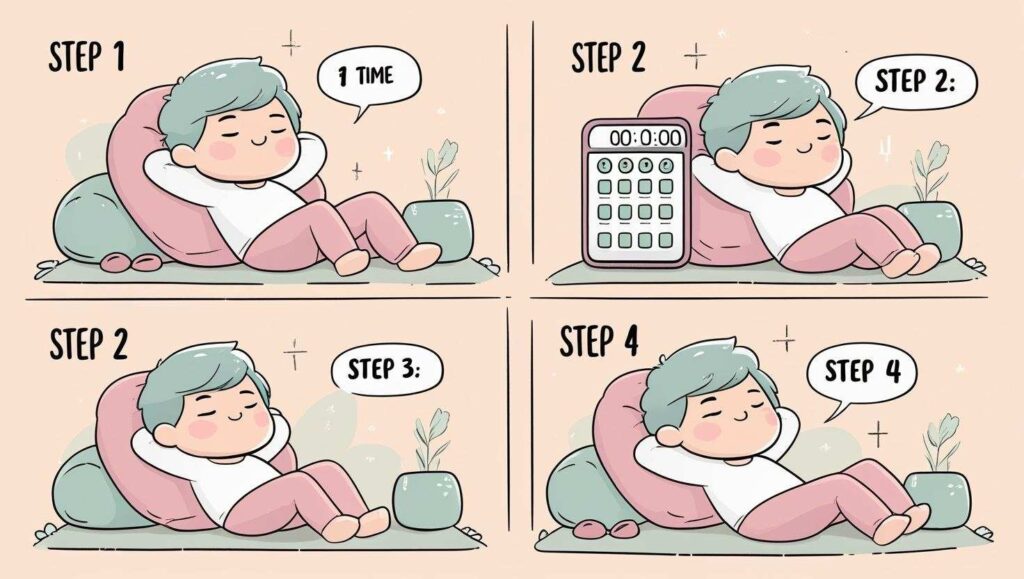
Ready to try meditation? Here’s how to start today:
- Find a Spot: Pick a quiet, comfy place—your bed, a chair, or even a park bench.
- Set a Timer: Start with 5 minutes. Apps like Insight Timer have built-in timers.
- Focus on Your Breath: Notice your inhales and exhales. Mind drifting? Just bring it back.
- Make It a Habit: Try meditating at the same time daily—mornings or before bed are great.
If you’re nervous, start with a guided meditation. It’s like having a friend guide you through it.
Pro Tip: Picture yourself sinking into a warm, cozy blanket as you breathe. That’s the vibe you’re going for.
Different Meditations for Different Needs
Some techniques work better depending on what you’re dealing with:
- For Sleep: Body scan and guided meditations are your go-to. They relax your body and lull you into dreamland.
- For Anxiety: Mindfulness and loving-kindness meditations are awesome. They keep you grounded and boost positive vibes.
Try a few to find what clicks. Your brain’s unique, so experiment until you find your groove.
Wrapping It Up: Your Path to Better Sleep and Less Anxiety
So, there you have it—meditation can be a total game-changer for sleep and anxiety. It’s not about being perfect or spending hours on it. Just a few minutes a day can help you sleep better and feel less stressed. Whether you’re trying a body scan to melt away tension or a guided meditation to drift off, you’re giving your mind and body a gift. As Ram Dass once said, “The quieter you become, the more you can hear.” Start tonight, and you might just hear your own inner calm.
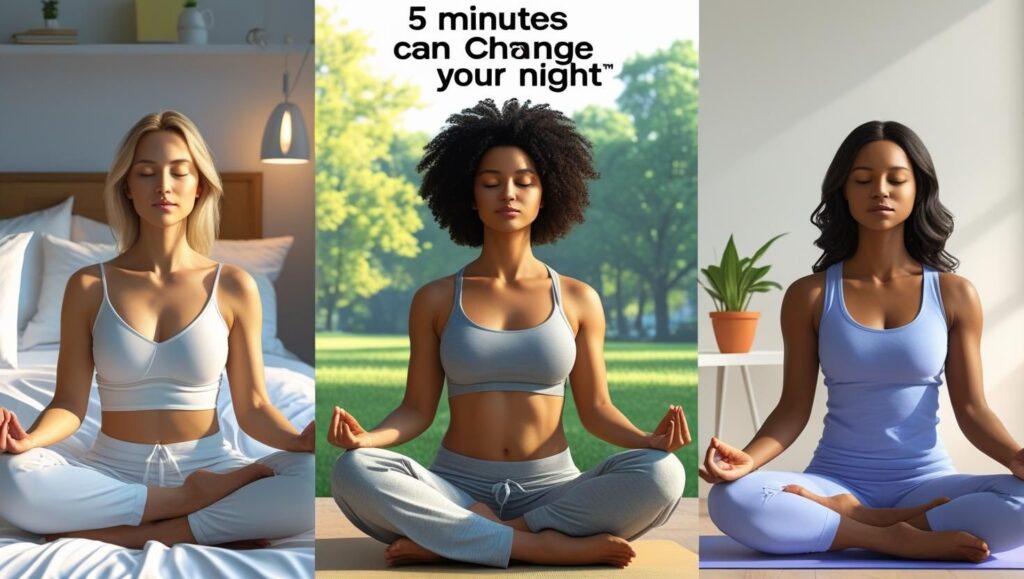
Let’s Do This: Grab your phone, download Calm or Insight Timer—they’ve got free options—and try a 5-minute meditation before bed. You might wake up feeling like a new person. Got questions or want to share how it went? Drop a comment below—I’d love to hear from you!
A Final Note: If you’re struggling with severe anxiety or sleep issues, talk to a healthcare professional. Meditation’s awesome, but it’s not a replacement for professional help.


