


Let’s be honest—your calendar isn’t just full, it’s overbooked. Between endless Zoom calls, tight deadlines, and a flood of emails, prioritizing your health often gets pushed to “someday.” But what if I told you that feeling good and performing better doesn’t require a lifestyle overhaul?
Truth bomb: chronic stress, poor sleep, and long hours in a chair are doing more damage than you realize. Even being just mildly dehydrated can impair focus by 1–2%—equivalent to missing an entire night of sleep. And with over 35% of American adults getting less than 7 hours of sleep a night, the consequences range from brain fog to burnout.
Now for the good news: micro-habits > major life changes. After combing through cutting-edge research, I’ve pulled together time-friendly, science-backed health strategies that work with your schedule—not against it.
Why Your Health Can’t Wait

Think of your body and brain as your #1 business asset. A recent report from McKinsey found that companies that emphasize employee well-being enjoy 20% higher productivity and 10% better employee retention. Bottom line? Prioritizing your health isn’t indulgent—it’s smart, strategic leadership.
🥗 Nutrition: Smart Fuel for Peak Performance
You wouldn’t run premium software on a failing battery—so why fuel your body with junk?
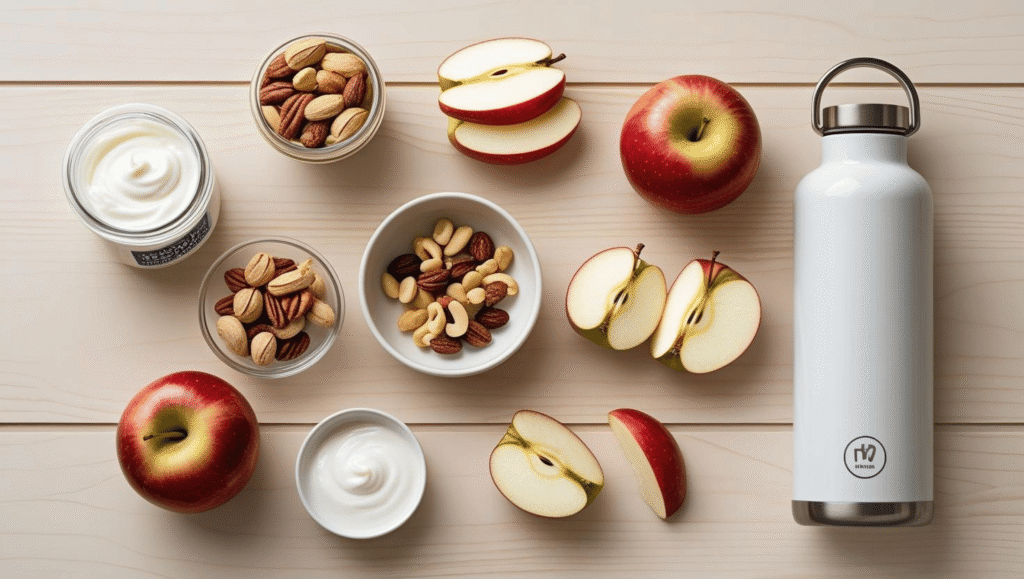
- Snack Wisely: Instead of reaching for that sugary snack at 3 PM, go for a combo of protein, healthy fat, and fiber. Try things like Greek yogurt with fruit, apple slices and nut butter, or a trail mix with seeds. These options balance blood sugar and prevent energy crashes (Evidation).
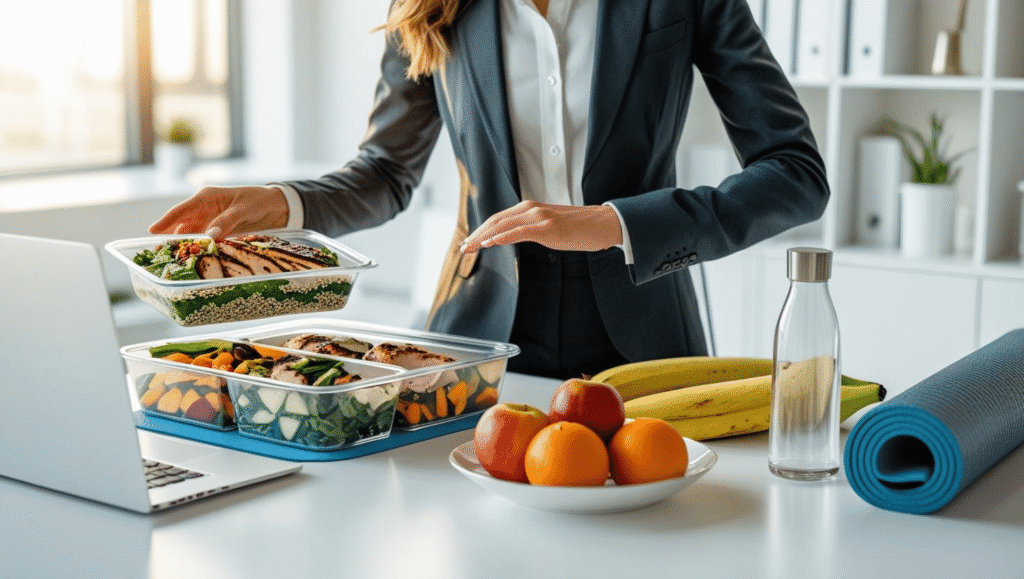
- Master Meal Prep: Dedicate a couple of hours on Sunday to prep your essentials—roasted vegetables, lean proteins, and whole grains. Tools like slow cookers and Instant Pots make it simple to prep healthy meals you can grab and go all week.
- Hydrate on Purpose: Feeling tired? That could be dehydration in disguise. Aim for 6–8 glasses of water daily (more if you’re active), and keep a bottle nearby as a visual reminder (Accelerated Urgent Care).
💪 Movement That Works With Your Schedule
The idea that you need a full hour for a “real” workout? Outdated. Instead, think: bite-sized movement bursts throughout your day.
⚙️ Table: Smart Exercise for Busy People
| Time You Have | What to Do | Benefits | When to Do It |
| 5 minutes | Pomodoro-style walk/stretch | Boosts circulation, re-energizes focus | Between work sprints |
| 10 minutes | Seated stretches/leg lifts | Reduces stiffness and back pain | On calls or mid-task |
| 15–20 minutes | Tabata workout or brisk walk | Burns fat, supports heart health | During lunch or post-work |
| 30+ minutes | Weight training or yoga | Builds strength, lowers stress | Treat it like a non-negotiable meeting |
Pro Tip: Walking pads or under-desk cycles let you move while you work (Daily Telegraph).

🧠 Managing Stress & Mental Fatigue
The less you manage stress, the more it manages you. And unchecked stress can actually shrink gray matter in your brain over time. Luckily, resilience is a learnable skill.
- Breathing Breaks: Practice alternate-nostril breathing (also called nadi shodhana). Just 5 minutes a day can lower anxiety, regulate your nervous system, and sharpen mental clarity.
- Protect Sleep Like Your Job Depends on It: Because it kind of does. Create a “no screen” rule one hour before bed, use blackout curtains, and go to sleep/wake up at the same time each day. Sleep is when your brain files memories and clears out toxins—it’s a productivity tool, not a luxury.
- Stay Connected: A landmark study found that social isolation is as damaging as smoking 15 cigarettes a day. Make time for short texts, voice notes, or walk-and-talk chats. It’s not just nice—it’s essential for long-term wellness.

👁️ Your Digital Health Needs Boundaries
Digital fatigue is real—and it doesn’t just cause eye strain; it also saps your attention span and emotional energy.
- Apply the 20-20-20 Rule: Every 20 minutes, take 20 seconds to look at something 20 feet away. It helps relieve screen-induced tension.
- Tech Timeout: Silence notifications after work hours. Countries like France and Australia have even legalized the “right to disconnect.” Your brain needs space to decompress if it’s going to perform at its best tomorrow.

🩺 Prevention Is the New Power Move
Think of preventive health as the ultimate productivity hack.
- Annual Check-Ups: Prioritize yearly screenings and basic blood work. Companies like Nura offer full-body scans with AI that catch early signs of heart issues, liver disease, and more—in under two hours.
- Body Awareness: Tune in. Low-grade fatigue, aches, or mood changes can be signals—not just side effects. Pay attention and act early.

💡 Bottom Line: Micro-Habits, Massive Impact
The goal isn’t to be perfect—it’s to stay consistent. Instead of overhauling your entire lifestyle, choose one new action this week:
Will you hydrate better? Take a walking call? Get 10 more minutes of sleep?
As neuroscientists at Cambridge highlight, “Sustainable habits come from consistency, not complexity.” These small wins compound into big changes—especially when your life is moving fast.

🚀 Quick Action List to Start Today
- 1 extra glass of water
- 5-minute breathing reset
- One walk-and-talk meeting
- Healthy snack swap
- Log sleep for the next 3 nights
Your health is the engine behind your ambition. Keep it well-oiled, and success isn’t just possible—it’s inevitable.
What’s your go-to health hack when life gets chaotic? Drop it in the comments below 👇
For more science-backed insights, check out the Global Wellness Institute’s 2025 Workplace Trends and Evidation’s tips for time-starved professionals.




Pingback: How to Work Night Shift and Stay Healthy - healthglowx.com