



You sip your coffee, watching the sunset while everyone else winds down. Your “morning” is their evening, and your workday begins when the world sleeps. Welcome to the tribe of night-shift warriors—a growing group making up about 15–30% of the workforce in the US and Europe, from nurses and factory workers to security, IT, and transport personnel. Quiet corridors and extra pay are perks, but let’s be real: learning how to work night shift and stay healthy is a biological rollercoaster.
I’ll never forget my first nights—struggling to stay awake, stumbling home at sunrise, and explaining to my family why I’d become “nocturnal.” If you’re with me, take heart: night shifts can be mastered without sacrificing your health. Let’s dive in.
Why Night Shifts Feel Like a War on Your Body
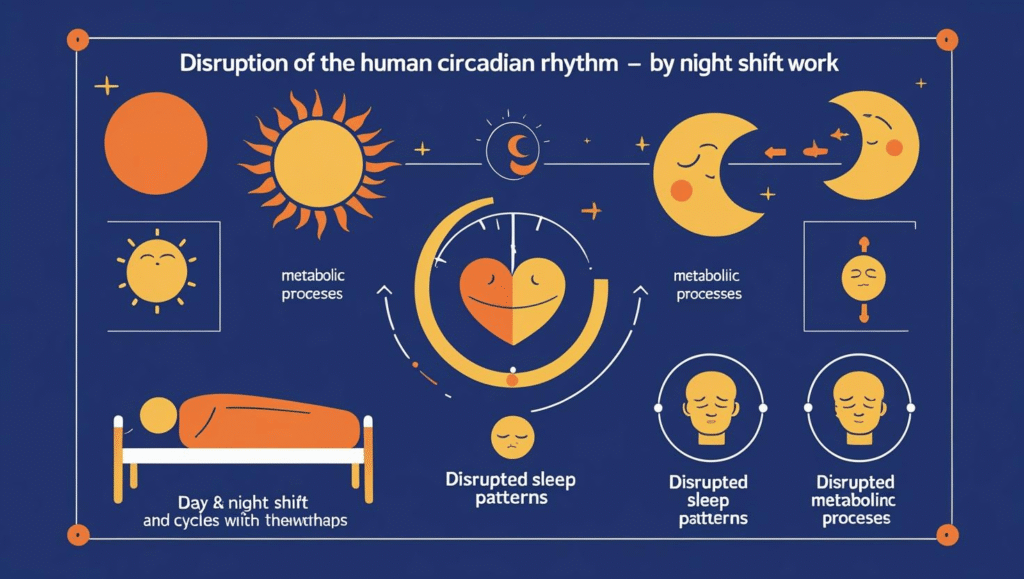
Our internal clock, the circadian rhythm, regulates hormones, digestion, temperature, mood—you name it. Working nights disrupts this 24-hour cycle, pushing your body to operate against its nature. As Harvard sleep expert Dr. Eric Zhou says, this is working “against the universe’s natural inclinations,” and it leads to shift work sleep disorder (SWSD) health.harvard.edu.
The consequences are far-reaching:
- Metabolic mayhem: Night shifts increase risk for diabetes, obesity, heart disease due to erratic eating and sleep patterns uclahealth.org+1frontiersin.org+1thesun.co.uk.
- Sleep sabotage: Persistent insomnia or exhaustion—hello, SWSD—because sleeping in daylight is a battle .
- Emotional toll: Isolation, stress, and mood struggles become common in nocturnal life .
But thousands of night-shift veterans thrive—and it’s not magic. It’s strategy.
Your Night-Shift Survival Toolkit: Evidence-Backed Strategies
🛌 1. Sleep: Your Non-Negotiable Foundation
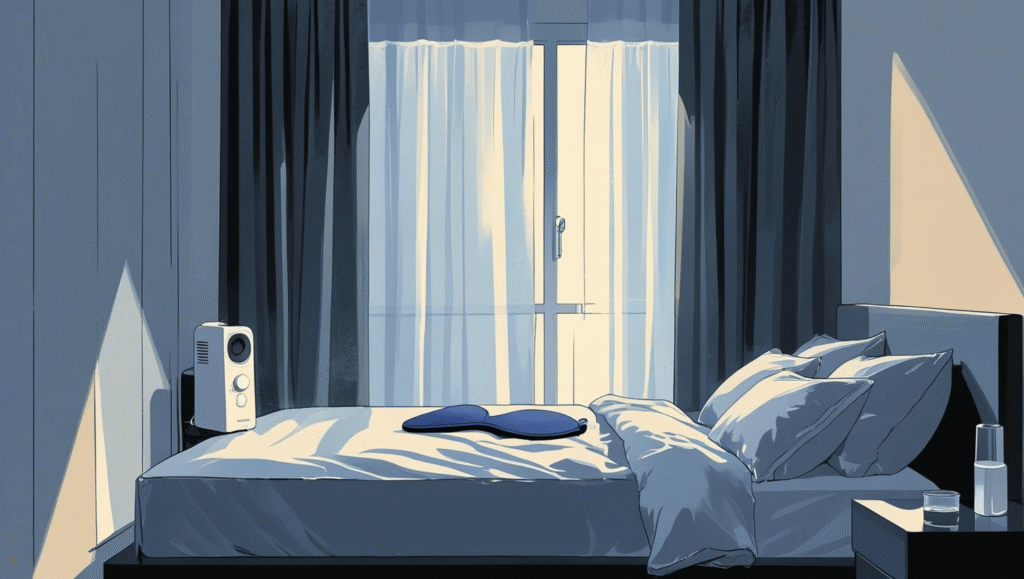
Treat your daytime sleep like sacred time:
- Blackout fortress: Blackout curtains, eye masks—even a bed in your closet helps block daylight verywellhealth.com.
- Sound shield: Use fans, white noise machines, or earplugs to cut distractions usa.edu+1empowersleep.com+1.
- Cool environment: Keep rooms around 60–67 °F to mimic nighttime health.mil+9usa.edu+9tomsguide.com+9.
- Pre-sleep ritual: Wind down with reading, minimal lighting, meditation—no screens 1 hour before bed wellworkforce.com+6tomsguide.com+6my.clevelandclinic.org+6.
Pro Tip: Ease into night shifts by pushing your bedtime 1–2 hours later each night over a few pre-shift days .
🍽️ 2. Fuel the Dark: Eat Smart & Stay Focused

Night-shift metabolism runs slower—so eat with intention:
- Hydrate well: Aim for ~11–16 cups of water daily. Avoid sugary sodas—they crash you .
- Protein-packed meals:
- Pre-shift: Oatmeal, eggs with avocado, or smoothies
- Mid-shift: Greek yogurt, hummus & veggie sticks, trail mix
- Strategic caffeine: One coffee at shift start; avoid caffeine 4–6 hours before sleep . Avoid energy drinks—they spike BP and stress.
Healthy eating shields you: night workers have a 30% higher risk for metabolic disorders [uclahealth.org].
🔥 Pro Tip: These nutrition rules are lifesavers for any demanding schedule! For more energy-boosting strategies when time is tight, see these essential health tips for busy professionals.
🏃♂️ 3. Move Your Body: Energize on the Go
Exercise boosts alertness and heart health:
- Before your shift: 30 minutes of brisk walking or cycling
- During shifts: Stretch breaks, brief stairs or walk-about sessions
- On days off: Strength training builds resilience
⚠️ Avoid intense workouts within 2 hours of bedtime—it can rev you up too much businessinsider.com+5thesun.co.uk+5health.harvard.edu+5my.clevelandclinic.org+6health.mil+6webmd.com+6time.com+14en.wikipedia.org+14my.clevelandclinic.org+14.
🗓️ 4. Manage Your Schedule: Control the Controllable
Not all night shifts are equal. If you can influence your rota, lean toward:
| Schedule | Pattern | Pros | Cons |
|---|---|---|---|
| 2‑2‑3 (Panama) | 2 days on → 2 off → 3 nights on | Regular break, 180 days off/year | Long 12‑hour shifts |
| 4‑on, 4‑off | 4 days → 4 off → 4 nights → 4 off | More recovery time | Grueling stretch of 12‑hour shifts |
| Pitman (2‑3‑2) | 2 days → 2 off → 3 nights → 2 off | Balanced work/rest | Inconsistent intensity mid‑cycle |
| 5‑5‑4 Rotation | 5 days → 3 off → 5 nights → 4 off | Longer weekends | Rotations still disrupt rhythms |
Pro tips:
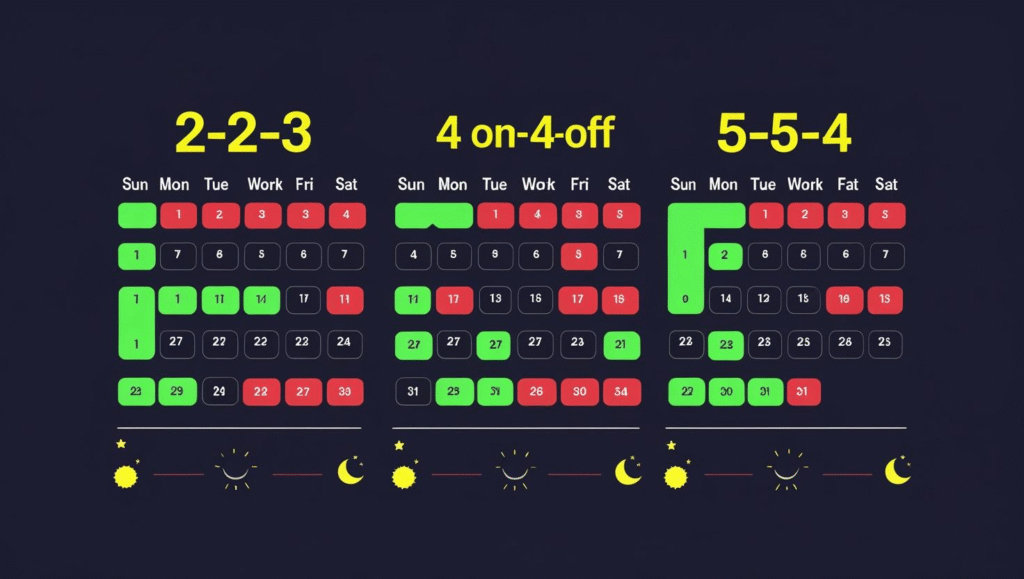
- Cluster nights: 3–4 nights in a row help your body adapt webmd.comhealth.clevelandclinic.org+5my.clevelandclinic.org+5wellworkforce.com+5en.wikipedia.org+15usa.edu+15wellworkforce.com+15time.com+6verywellhealth.com+6health.harvard.edu+6.
- Minimize rotation: Frequent rotations deepen circadian disruption verywellhealth.com.
- Nap strategically: A 20–30-minute nap before or during shifts improves alertness—fight for nap breaks sleep.hms.harvard.edu+4my.clevelandclinic.org+4en.wikipedia.org+4.
💆 5. Guard Your Mind: Mental Health Matters
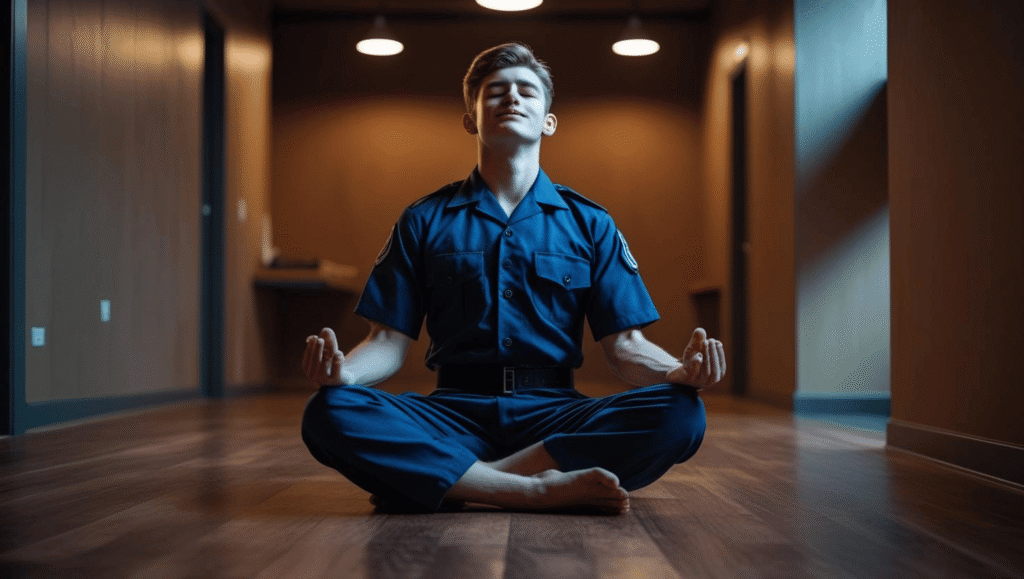
Night workers often feel isolated or burnt out:
- Build your support crew: Chat with coworkers, join forums, schedule daytime phone calls with loved ones
- Stress-busting micro-habits: Try breathing exercises (4‑7‑8), brief meditations via Calm or Headspace
- Speak up: Tell your manager when fatigue hits. Encouraging an open culture means safer, smarter work days
Proven Tactics from Night-Shift Veterans
- Maria, ER Nurse (7 yrs): “Blue-light glasses on the drive home. My phone stays on ‘Do Not Disturb’ until 3 PM. When my door’s closed—family knows I’m off‑limits.”
- Dev, Software Engineer (4 yrs): “Sunday meal prep saved me. No more 2 AM pizza binges. I also negotiated a fixed night schedule—no more constant rotation!”
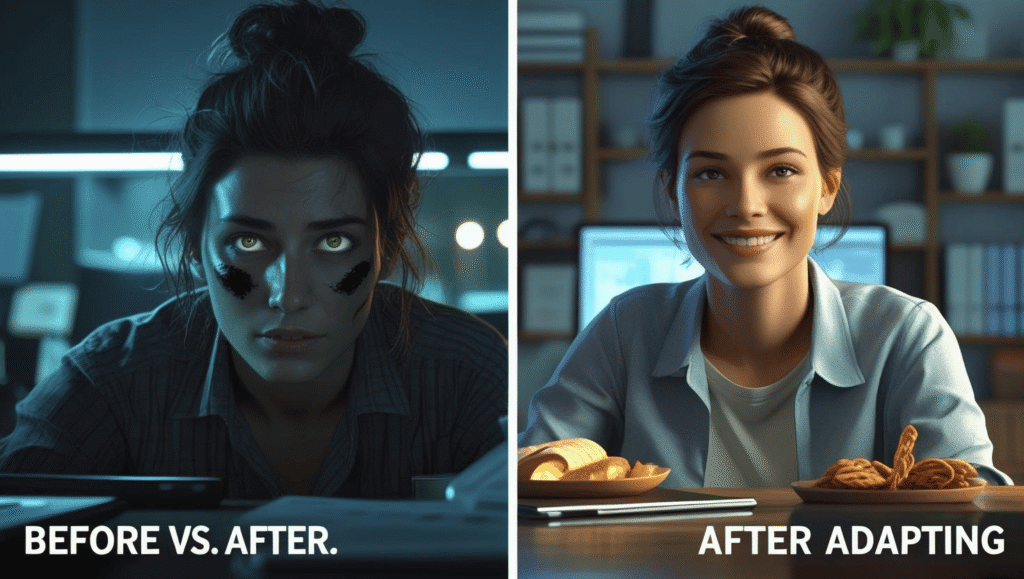
Employer Responsibilities: Building a Healthier Night Workforce
Employers play a key role in supporting night-shift teams:
- Nap rooms: Provide dark, quiet spaces for short naps
- e‑rostering tools: Apps like ZoomShift make shift swaps easy usa.edu+3sleep.hms.harvard.edu+3time.com+3usa.eduverywellhealth.com
- Health screenings: Monitor vitamin D, heart health, sleep disorders
- Optimal lighting: Use circadian-friendly blue-enriched lights at night, dimmer ones for daytime areas time.comverywellhealth.com
The Takeaway
Working nights means challenging your biology—but it doesn’t have to harm it. Start small: blackout your room tonight, pack almonds instead of that candy bar, text a friend at sunrise. Over time, healthy habits compound into resilience.
You’re not just surviving the darkness—you’re dancing in it. And that makes you extraordinary.

🌙 “The night shift is a challenge to your biology, not your worth. Protect your sleep, fuel your body, and find your people. You’ve got this.” —17-Year Night-Shift Veteran
Share your nightly triumphs! Use #NightShiftWellness and let’s support each other.




Nice blog.